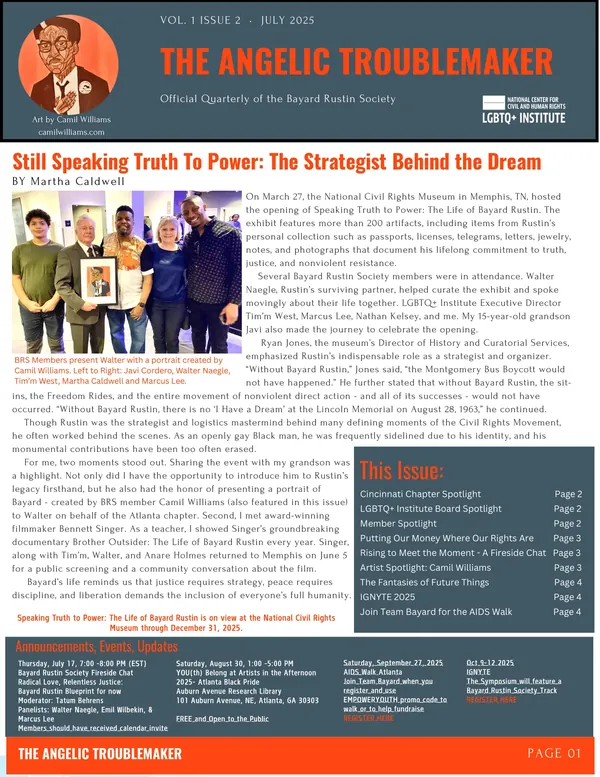
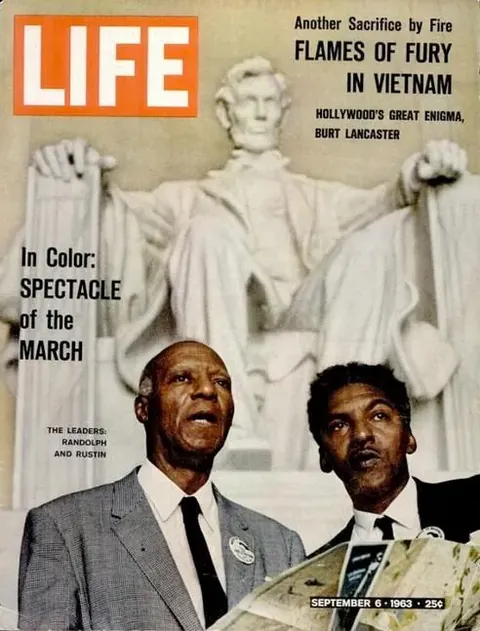
Bayard Rustin
Civil rights strategist and chief organizer of the 1963 March on Washington.
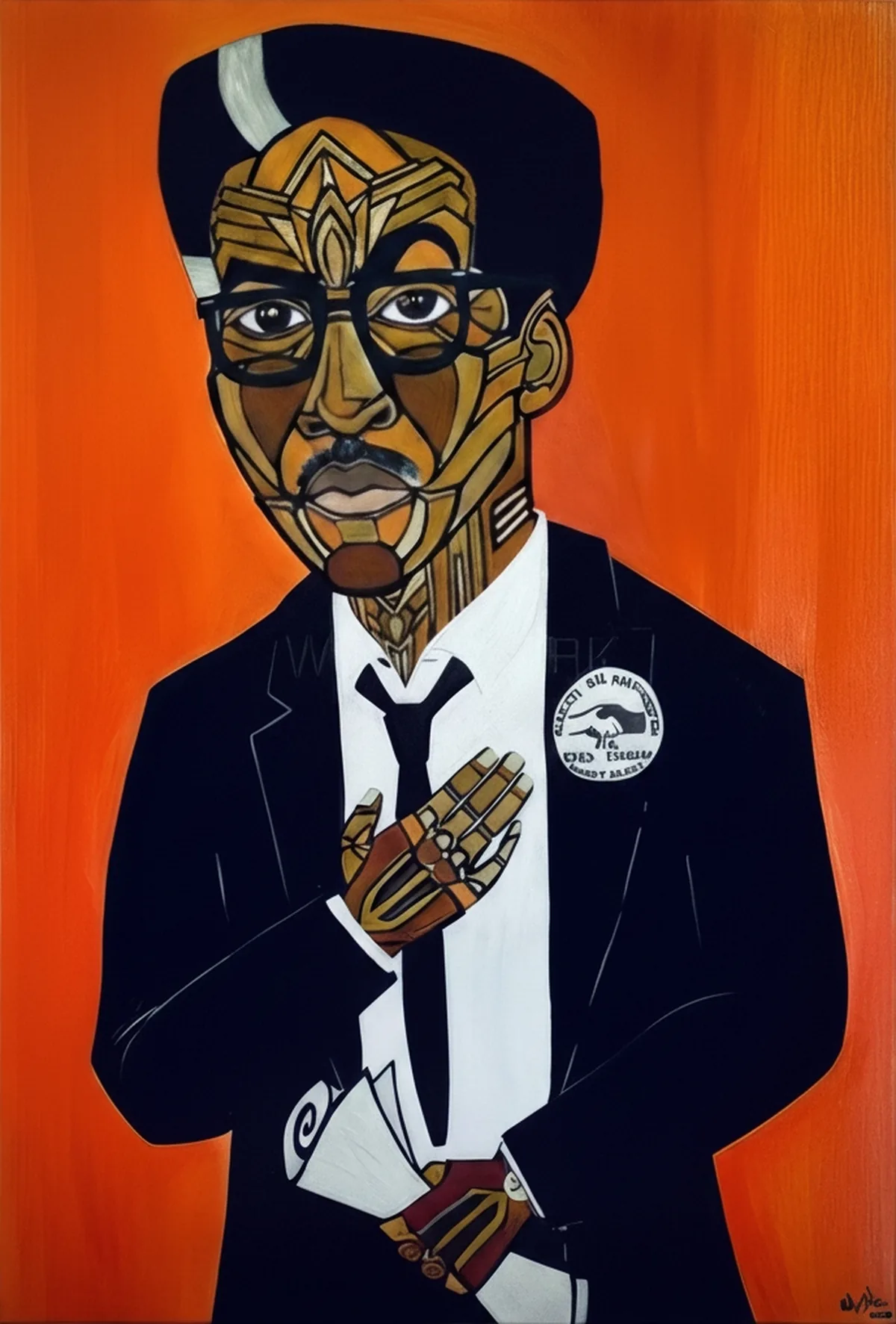
Bayard Rustin, born on March 17, 1912, in West Chester, Pennsylvania, was a civil rights activist, strategist, and writer. He played a leading role in shaping the modern nonviolent civil rights movement and was the chief organizer of the 1963 March on Washington for Jobs and Freedom. Rooted in Quaker values and influenced by Gandhian principles, Rustin was an early advocate for nonviolent protest. He held leadership roles in organizations such as the Fellowship of Reconciliation, the Congress of Racial Equality, and the A. Philip Randolph Institute. Rustin died on August 24, 1987, in New York City.
Opens the page you’d reach from the shirt’s QR code, with a story picked for where you are.
“When an individual is protesting society’s refusal to acknowledge his dignity as a human being, his very act of protest confers dignity on him.”
Biography & essays
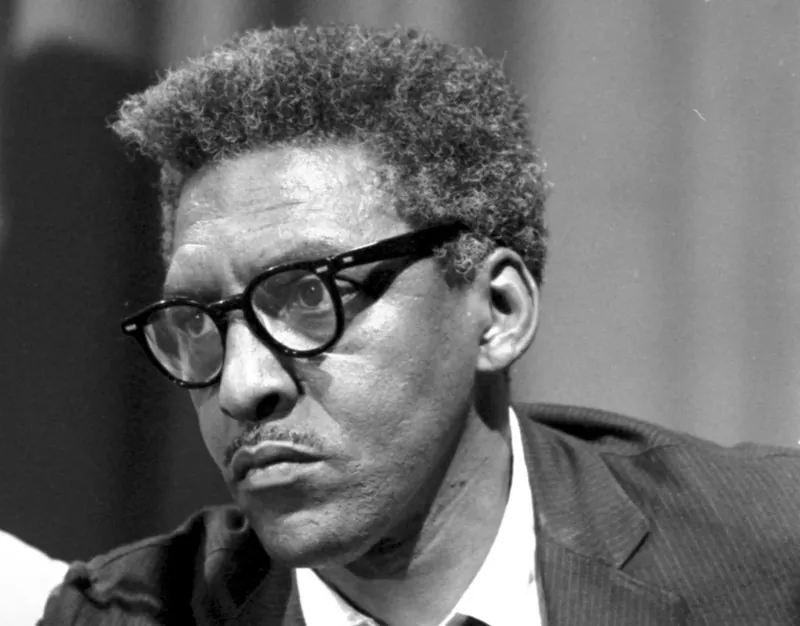
Bayard Rustin Biography
Pacifist, strategist, and the hidden architect of the 1963 March on Washington.
Read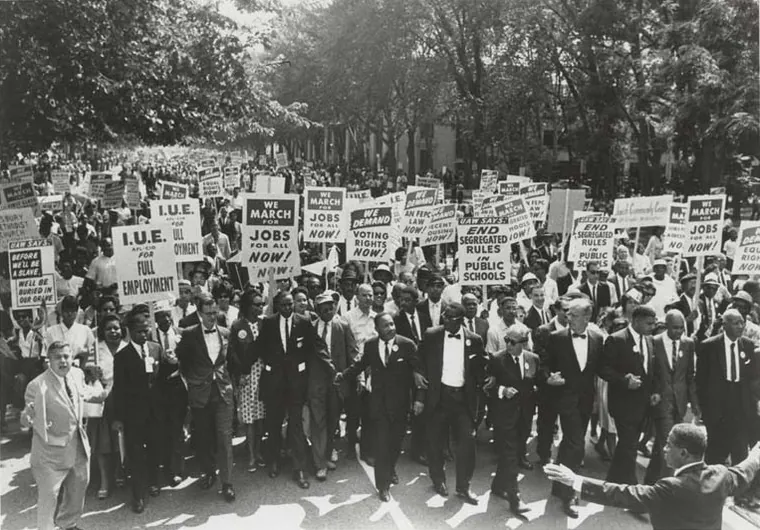
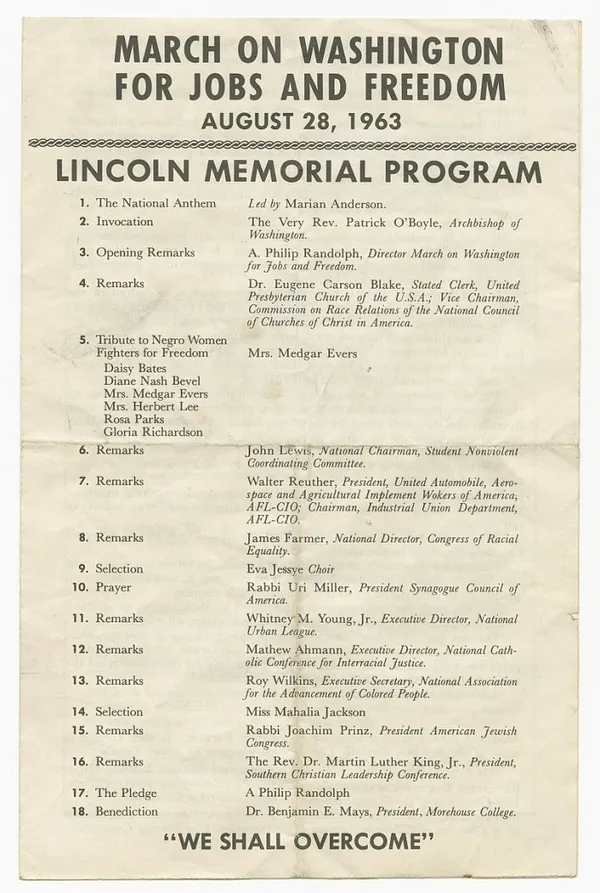
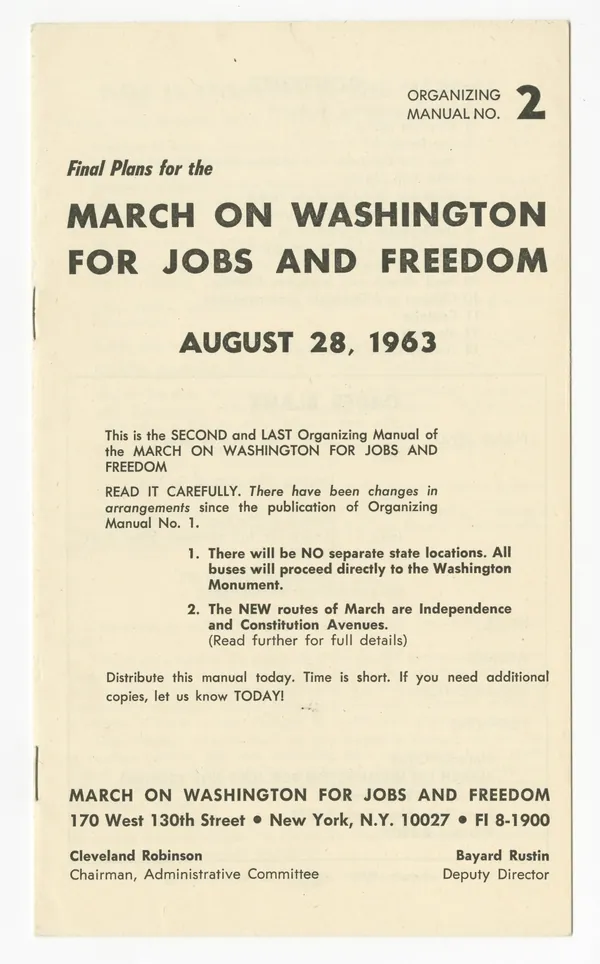
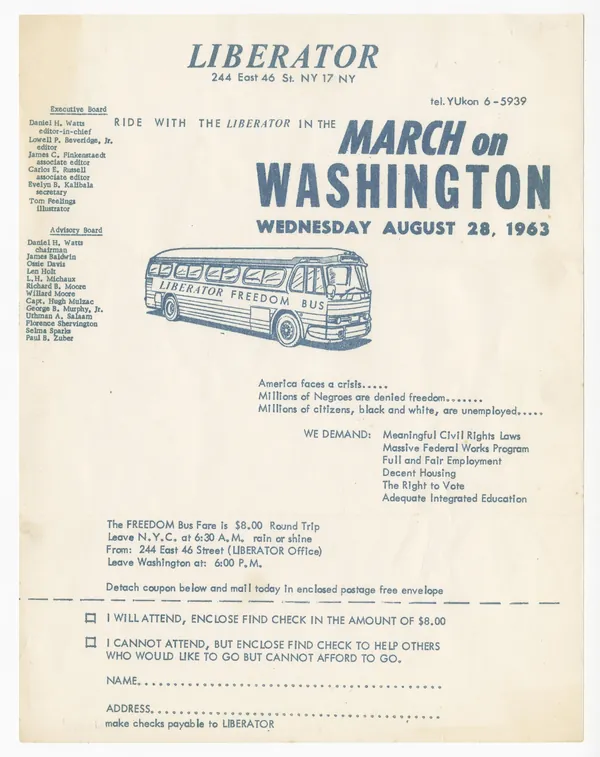
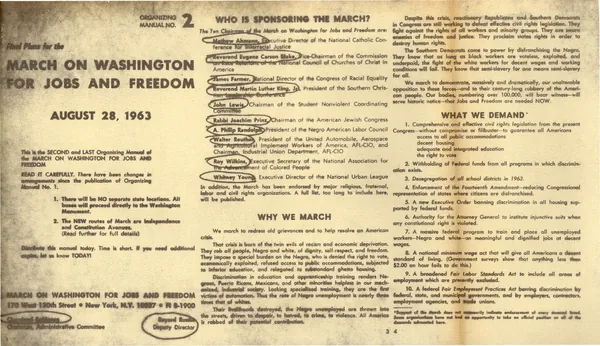
March on Washington
How 250,000 people were organized in under three months.
Read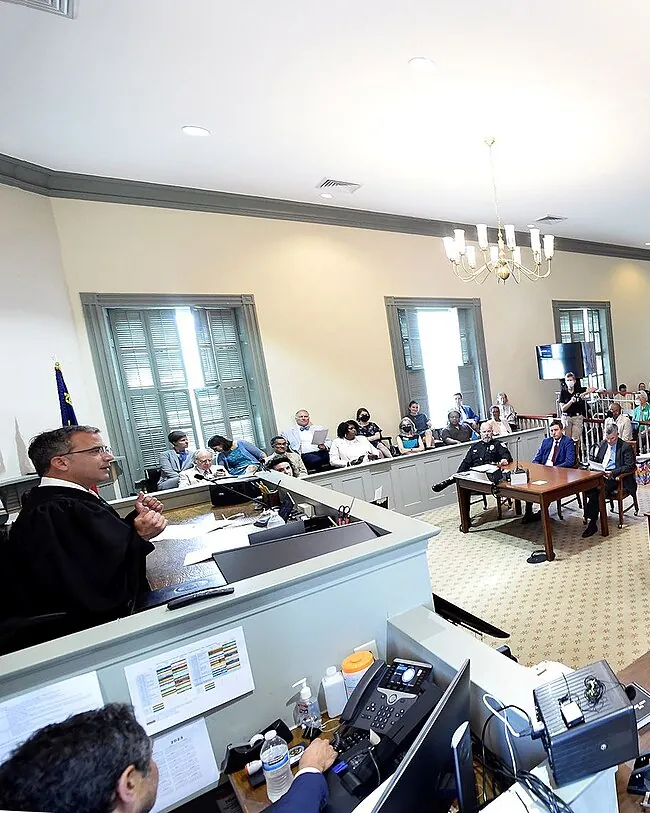
The First Freedom Ride
The first Freedom Ride, a chain gang, and an apology from the bench 75 years later.
Read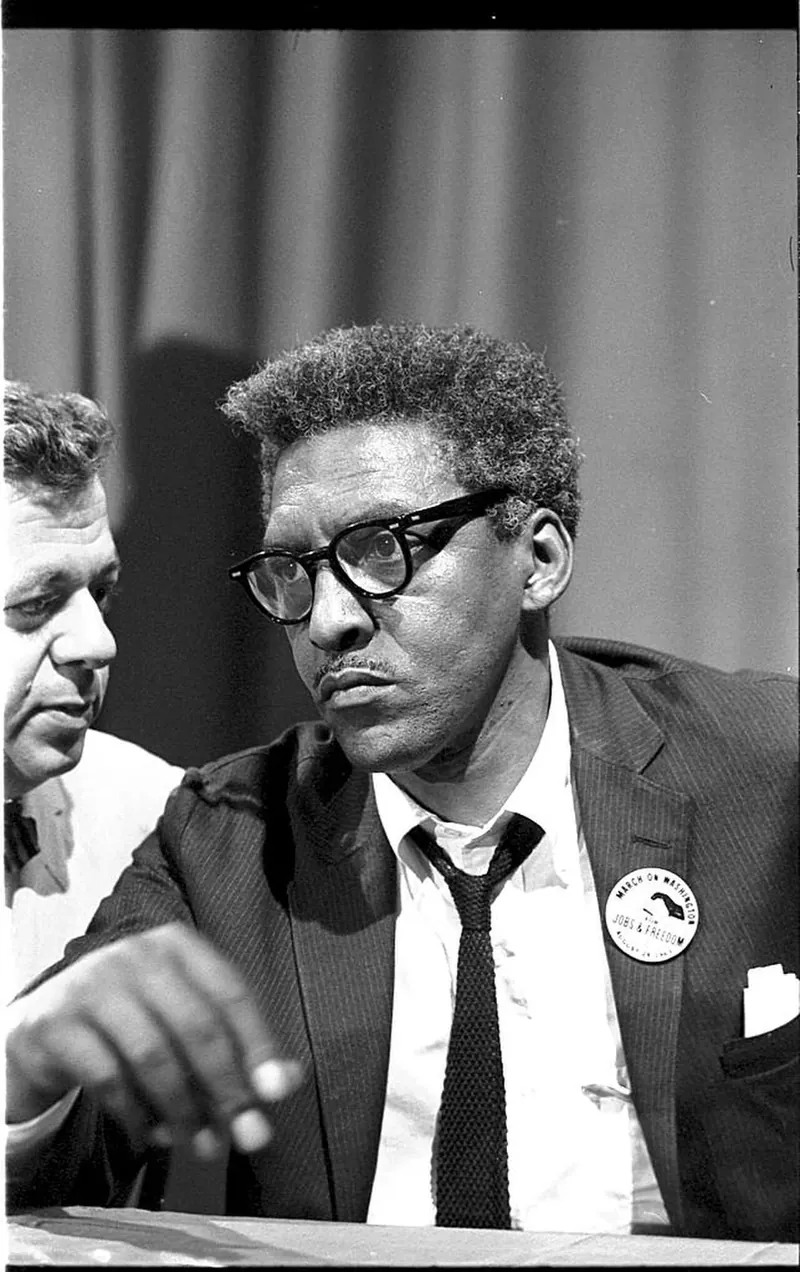
Arrested, Attacked, Pardoned
A 1953 arrest, a senator's attack two weeks before the March, and a governor's pardon 67 years later.
Read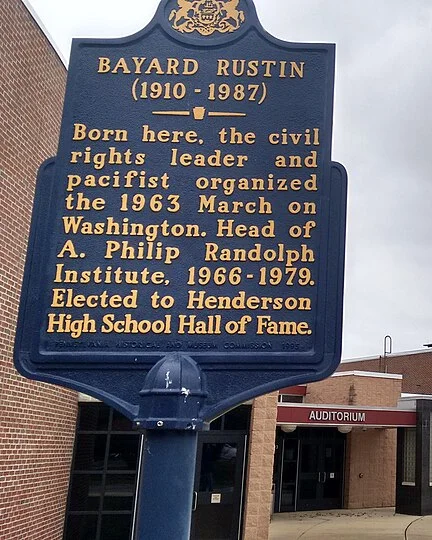
Born in West Chester
His hometown voted to name a high school after him. Then it had to vote again.
Read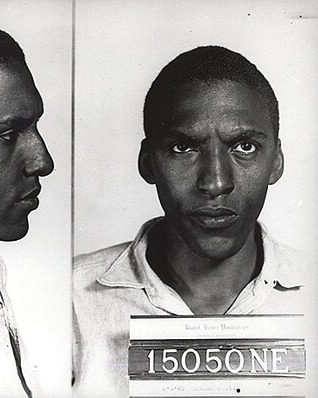
Inside Ashland and Lewisburg
A bus seat he would not give up, and a prison he would not let stay segregated.
Read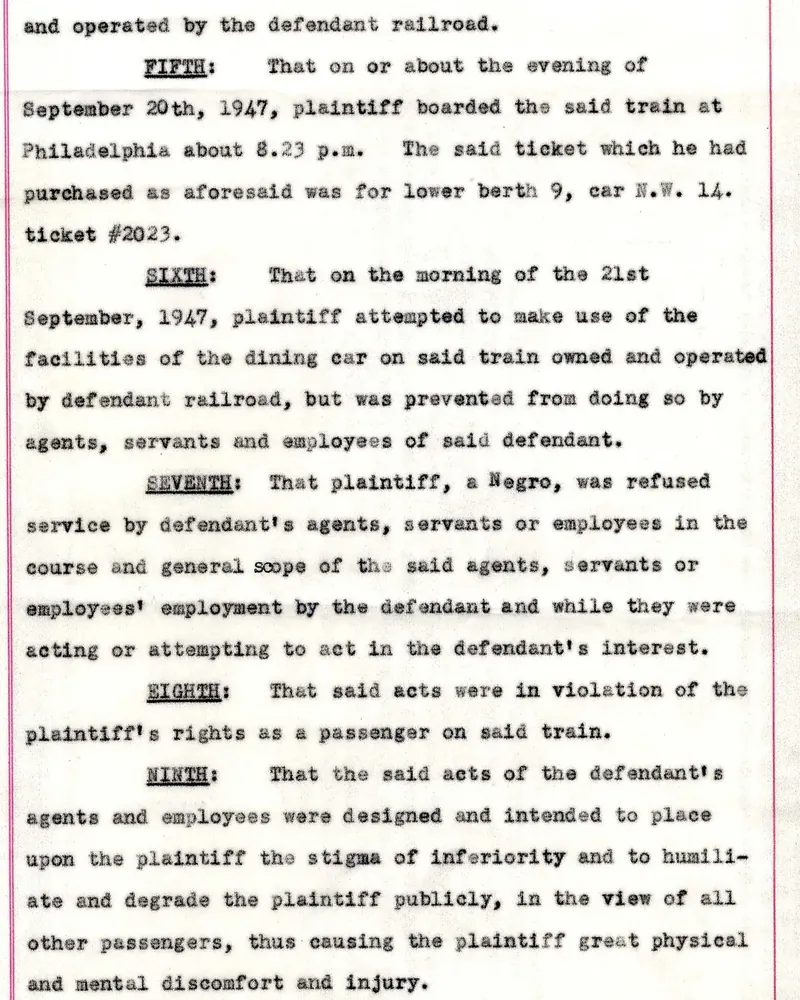
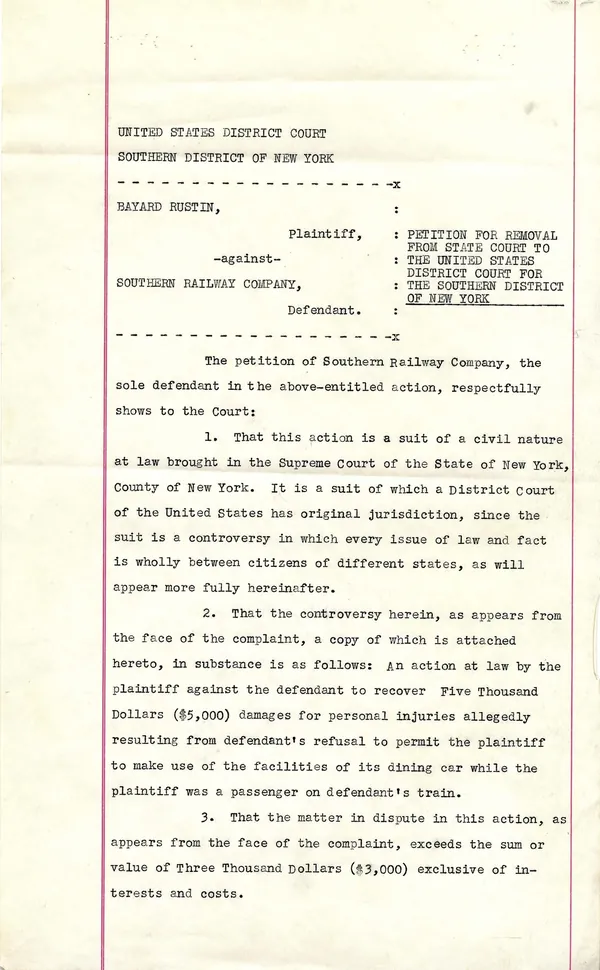
The Dining Car, 1947
Refused a seat in a train's dining car, he took the railroad to court. The file survives in the National Archives.
Read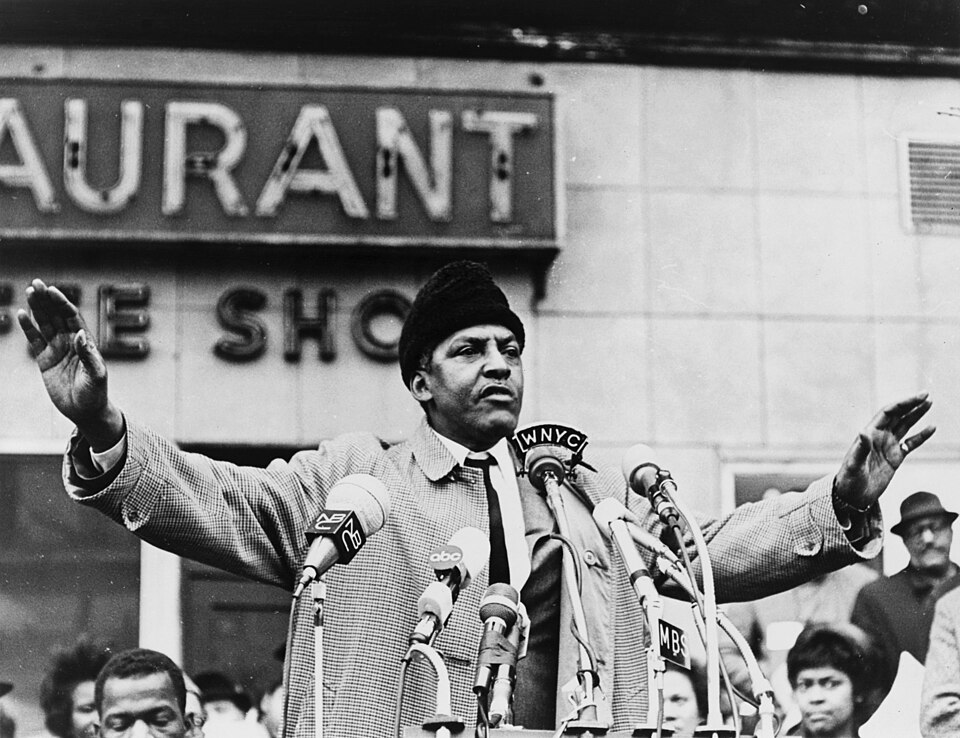
Rustin Abroad
India, Ghana, London, the Sahara, Zimbabwe, Cambodia, Vienna, Haiti: one man's nonviolence on four continents.
Read
Before the March
Three rehearsals on the same Mall: 25,000 people in 1957, then thousands of students in 1958 and 1959.
Read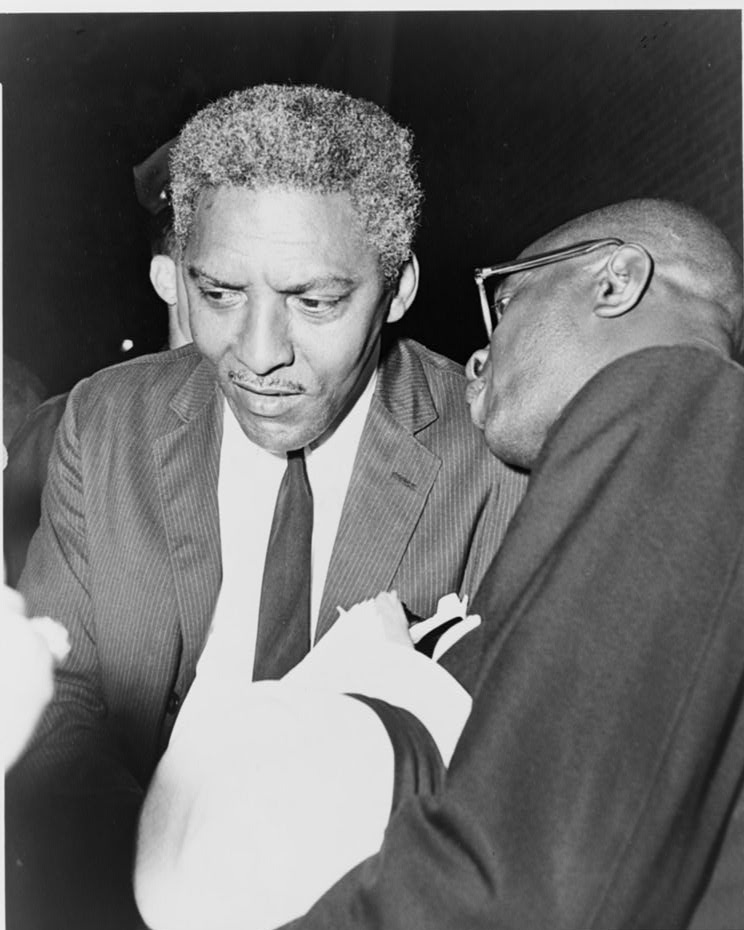
Heed Their Rising Voices
He helped write a newspaper ad to raise money for King. Four years later it changed what Americans may say about their officials.
Read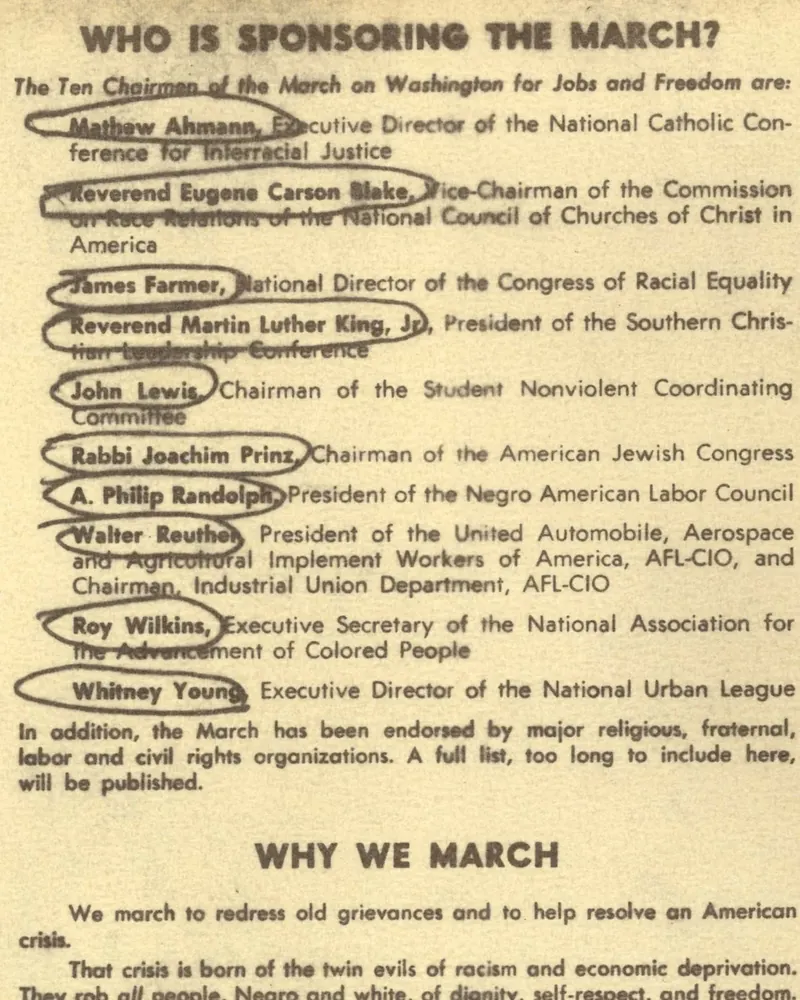
The Copy Congress Kept
Somebody in Congress circled his name. The House's files show who wanted the March on Washington stopped, and how.
Read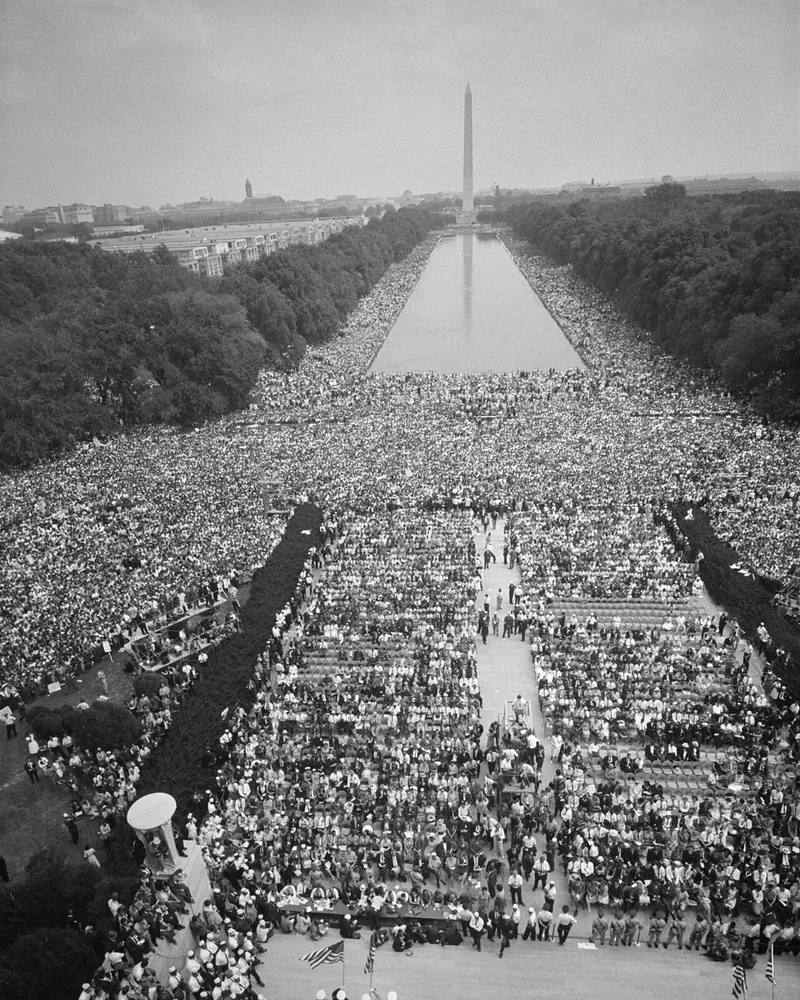
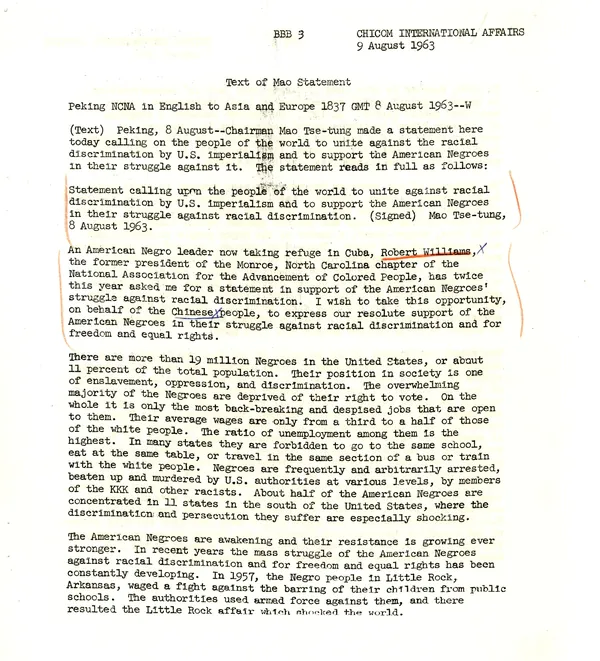
Mao, Wilkins, and the March
Mao backed the marchers and Beijing held a rally. The answer from the March's leaders fit in one cable.
Read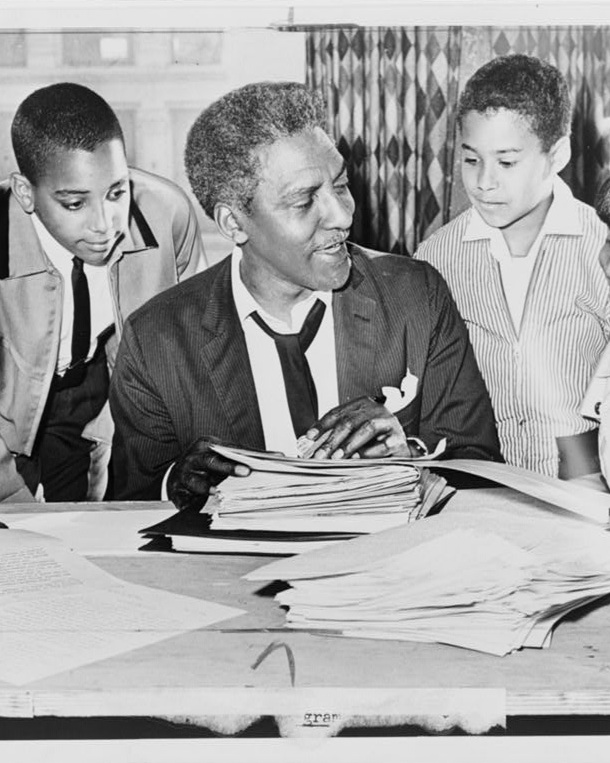
Freedom Day, 1964
More people took part than marched on Washington. Most history books leave it out.
Read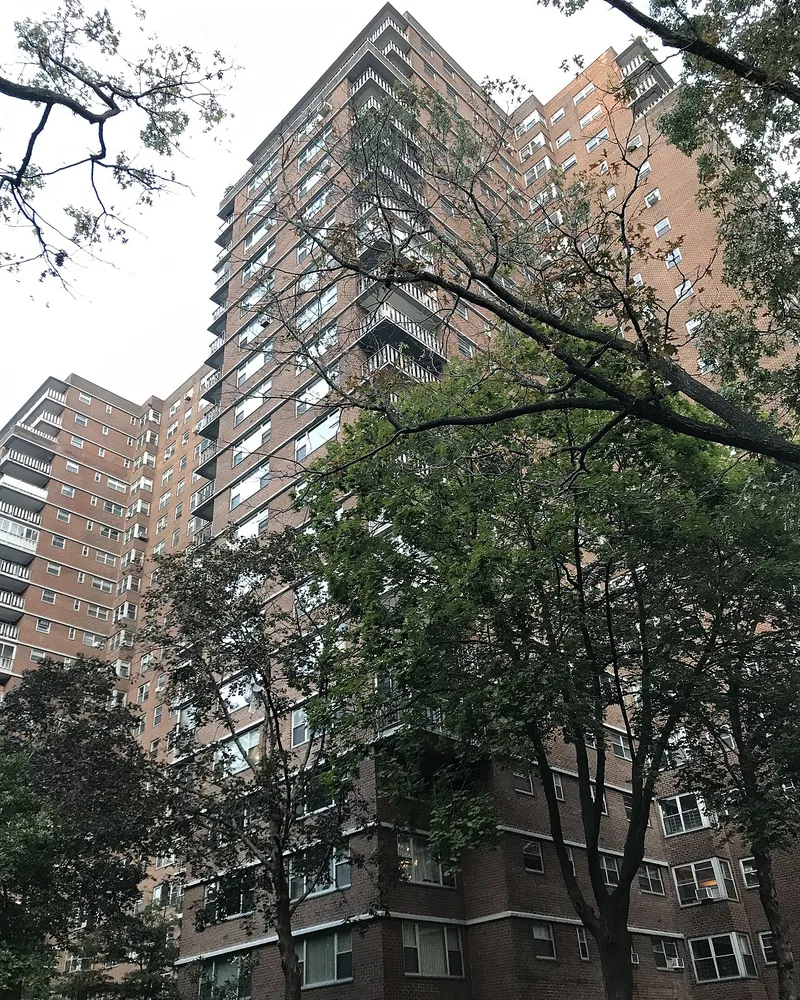
Home in Chelsea
He organized the March from Harlem, but he went home to apartment 9J. It is on the National Register now.
Read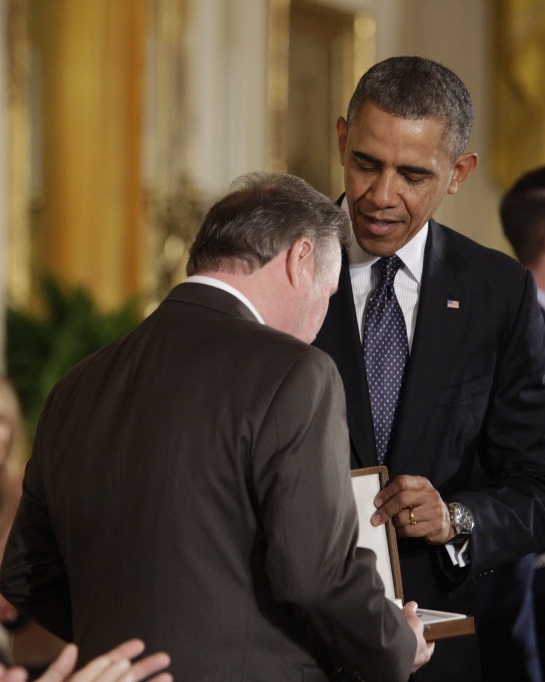
The Medal, 2013
Fifty years after the March, the White House gave him its highest civilian honor. The man who accepted it was his partner.
ReadFrom the archive
Scanned 1963 documents from the Smithsonian National Museum of African American History and Culture.