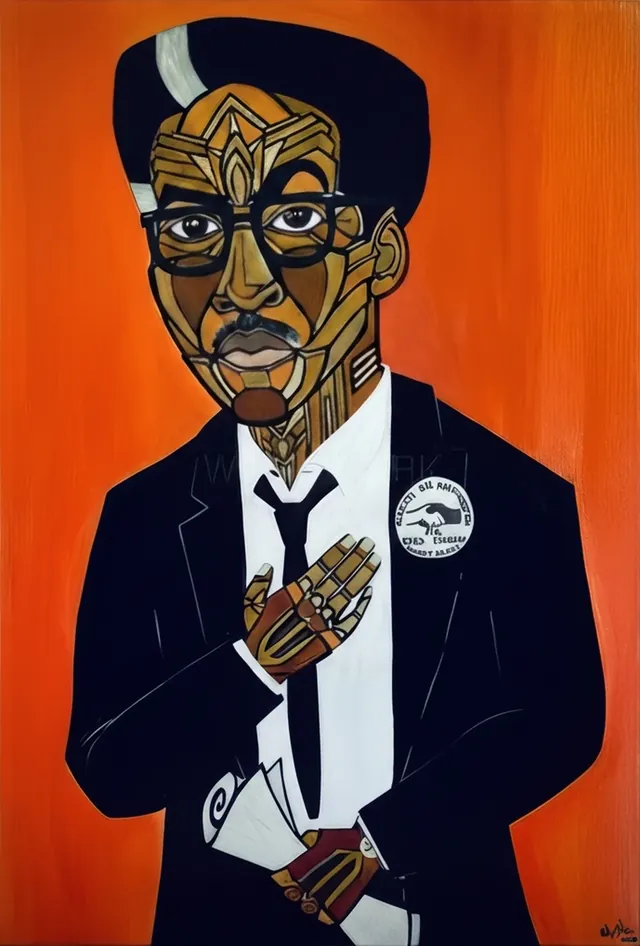
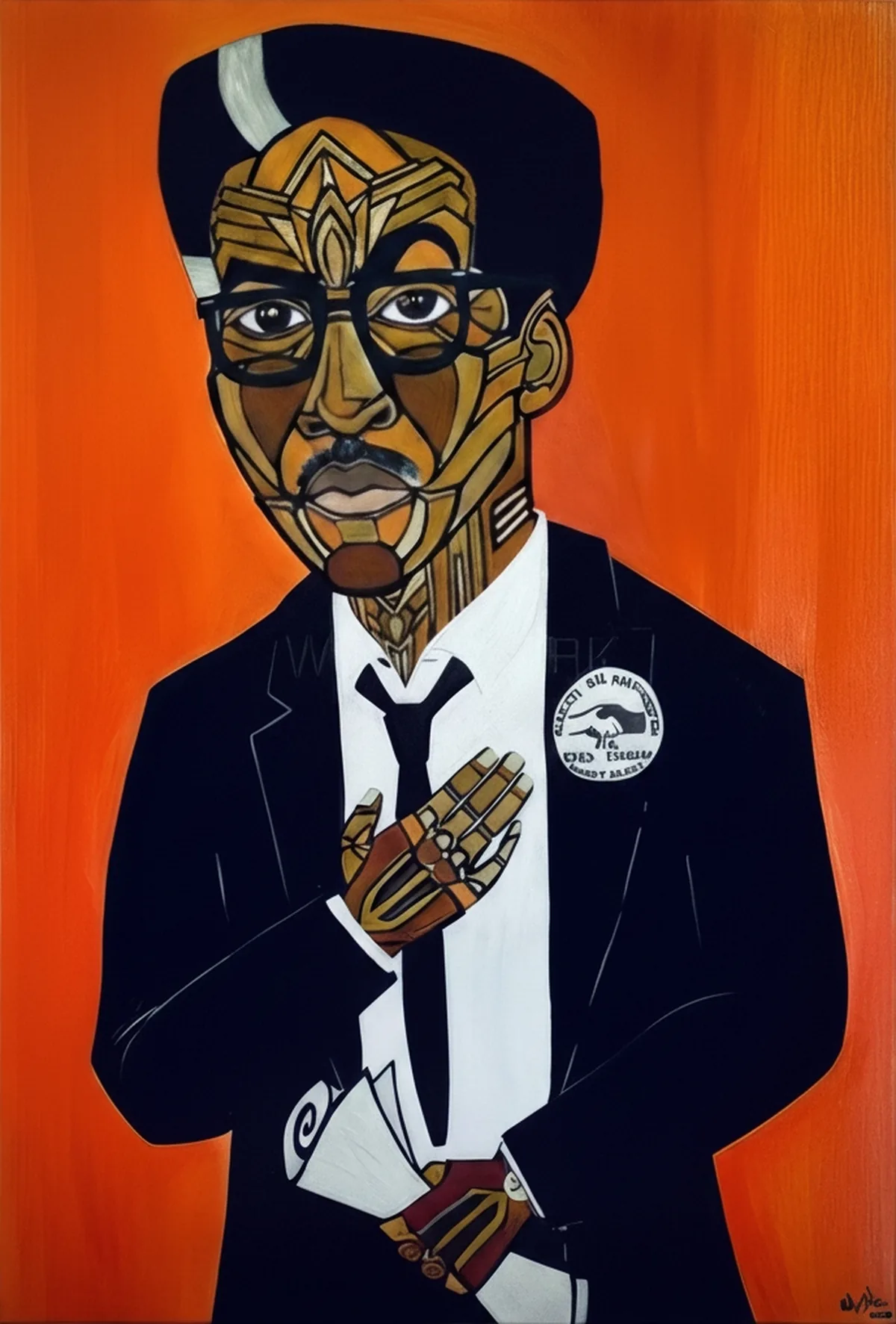
Shirt no. 01
Bayard Rustin
Civil rights strategist and chief organizer of the 1963 March on Washington.
Fashioning Communities Rooted in Access to Free Knowledge.
We Wear The Word is a wearable knowledge project that merges sustainable fashion, digital access, and educational equity to create a walking museum of banned and contested narratives. Grounded in research on public policy, information access, and social justice, our project highlights how legislative efforts to suppress knowledge disproportionately affect marginalized communities.
Scan a shirt and the site chooses a story for the city you are in. No shirt? Try it here.
Each shirt carries a QR code printed on recycled cotton.
The story you get is chosen for the city you scan it in. Try it without a shirt.
Every scan is a small act against the silence.
Shirt no. 01
Civil rights strategist and chief organizer of the 1963 March on Washington.
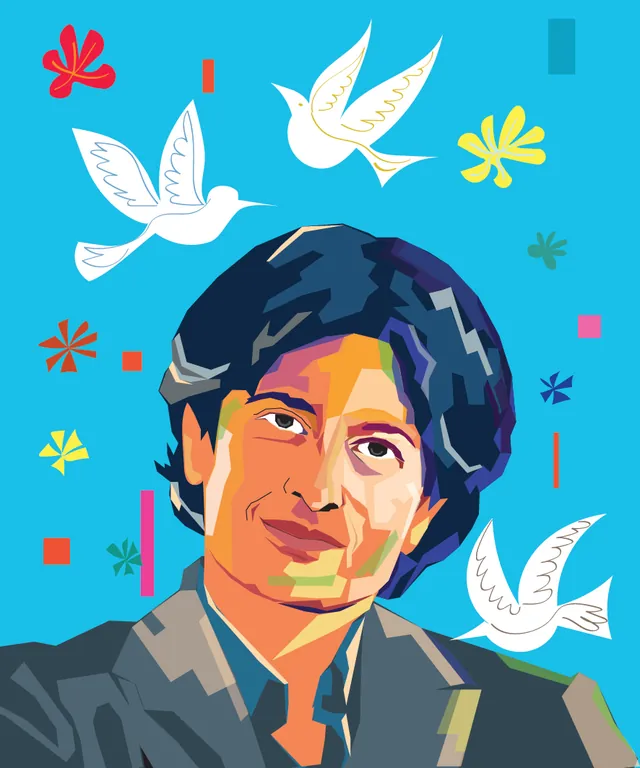
Shirt no. 02
Lawyer, organizer, and writer who argued that LGBTQ+ freedom is bound up with every other fight for justice.
By screenprinting recycled T-shirts with QR codes that link to expert-driven and community microcontent—ranging from banned books to erased histories, our initiative confronts censorship while promoting intellectual freedom.
Through geo-mapping data, We Wear The Word also tracks how and where these stories are being worn and read, offering insights into patterns of resistance, readership, and cultural curiosity.
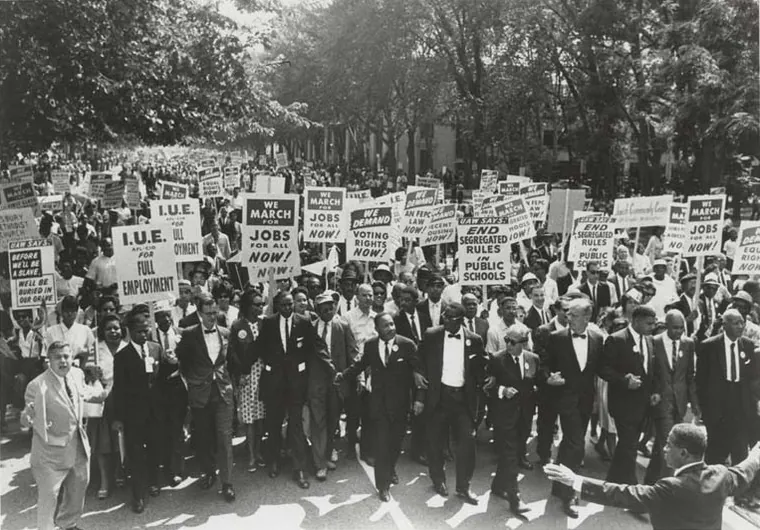
How 250,000 people were organized in under three months.
Read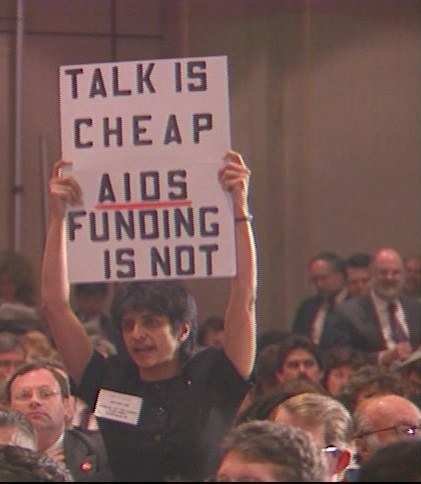
At a president's first big speech on AIDS, she stood up with a sign and would not sit down.
Read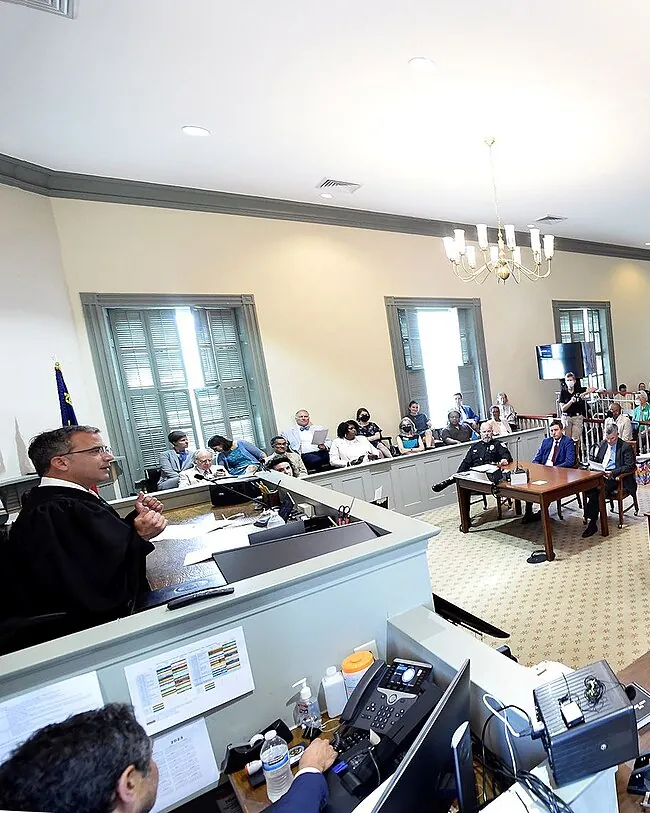
The first Freedom Ride, a chain gang, and an apology from the bench 75 years later.
ReadThis intersectional approach to civic engagement makes visible the power of individual choice, collective memory, and community-driven learning. Ultimately, We Wear The Word transforms everyday clothing into a platform for activism, historical reclamation, and public discourse.