In 1995 Urvashi Vaid published the book she is best known for: Virtual Equality: The Mainstreaming of Gay and Lesbian Liberation. The title is the argument. "Virtual" equality looks like the real thing from a distance. Up close, it is something less.
Looking equal, not being equal
By the mid-1990s gay and lesbian Americans were more visible than ever. There were openly gay characters on television, openly gay people in Congress, and a president who had met gay leaders in the Oval Office. Vaid did not dismiss any of that. But she pointed out what had not changed. The "vast majority" of gay people, she wrote, were still not open about who they were. They were still "profoundly stigmatized," still facing problems of "health, violence, discrimination, and social services." Most straight Americans still saw them as "immoral, unnatural, and unhealthy." And a backlash against gay rights was gathering strength.
Being seen, she argued, is not the same as being free. A movement can win acceptance for some of its members and still leave most of them exposed.
Tolerance or liberation
Her sharpest point was about what the movement was aiming for. The movement, she wrote, had drifted from seeking fundamental change to seeking tolerance: fitting into political and cultural life as they already were. She called that strategy "mainstreaming." It was practical, and it won real gains. But it could not deliver "genuine freedom or full equality," because being tolerated and being liberated are different goals.
Vaid compared the moment to turning points in other movements: the Black freedom movement in the 1960s and the women's movement in the 1970s, each of which had won new freedoms without winning equality. The way forward, she argued, was to move beyond asking for civil equality alone and to work for change in the institutions that produce inequality in the first place, alongside every other movement doing the same.
Two books, one year
Virtual Equality came out the same year as Andrew Sullivan's Virtually Normal, and reviewers kept putting the two side by side. Sullivan made the case for a narrower politics, centered on equal treatment by the government, including the right to marry and to serve in the military. Vaid wanted a broad, multiracial, feminist movement that would keep going after it won a seat at the table. The historian John D'Emilio wrote that the two books could hardly be more different, and preferred Vaid's, grounded as it was in the real battles of the movement.
Not everyone agreed. One reviewer called her an "ideological extremist." Others found the book long and its proposals short on detail. But the Village Voice called it "essential reading for anyone who wants to understand the difference between gay liberation and gay rights," and in 1996 it won the Stonewall Book Award for nonfiction.
Why it still matters
Many of the wins Vaid's book could only imagine have since arrived, marriage first among them. She saw them coming and worried about what would follow. She told an interviewer that her biggest fear was that the movement would settle into its victories on marriage and slow down. Her later book, Irresistible Revolution (2012), made the case again: a movement that serves its most comfortable members first leaves behind the many queer people who are poor, of color, or otherwise less protected.
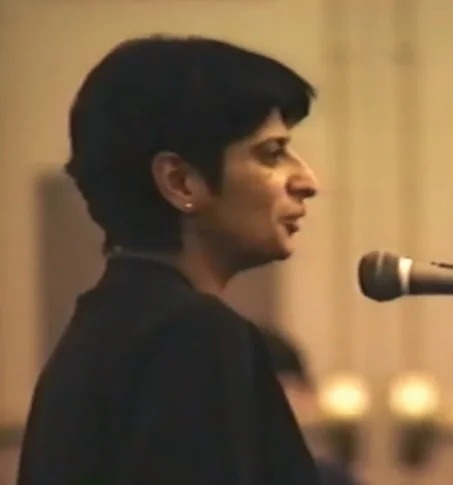
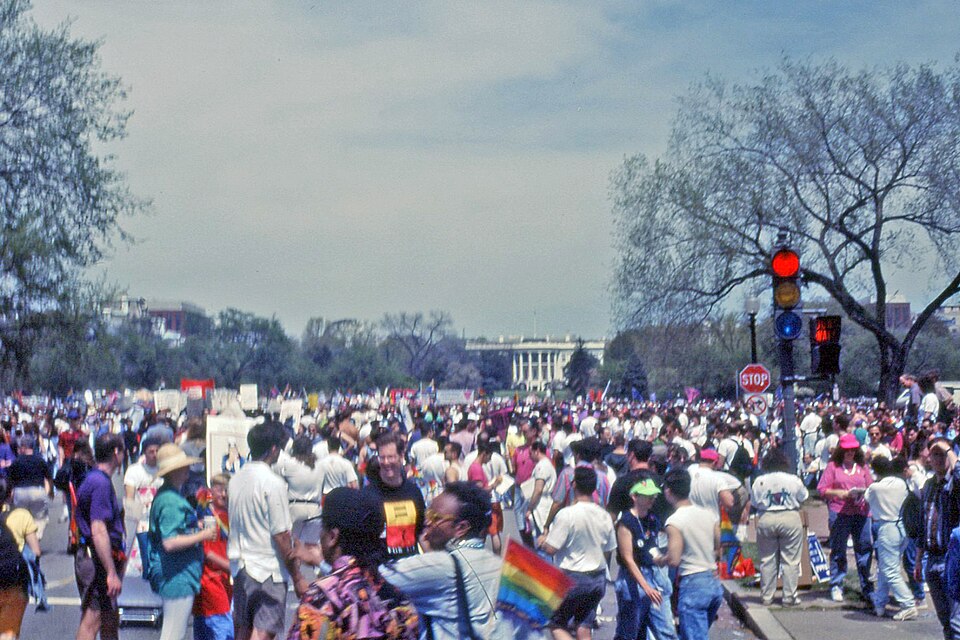
Her own speech at the 1993 March on Washington put the same idea in one line, the one President Biden would quote after her death: "The gay rights movement is an integral part of the American promise of freedom." The promise, in her view, was the point. Equality on paper was a step toward it, not the end of it.
Read the books
- Virtual Equality: The Mainstreaming of Gay and Lesbian Liberation (Anchor Books, 1995), from Penguin Random House.
- Irresistible Revolution: Confronting Race, Class and the Assumptions of LGBT Politics (Magnus Books, 2012).
- The Dream of a Common Movement (Duke University Press, 2025), her collected writing, from Duke University Press.
- Her life story: Urvashi Vaid Biography.